Read Old Post( In order)To New post

Read Old Post( In order)To New post
***READ old POST( in order) to new post

Sunday, March 3, 2013

coconut milk all about it. Everyone's perspective should be.


My recent blog entry about coconut oil generated
 a lot of comments with the same question: Why isn’t
the Alzheimer’s Association researching coconut oil?
 It’s an excellent question and one I get often about
 coconut oil and other substances that have been
 rumored to help people with Alzheimer’s.
At first glance, the answer is simple: we’ve received
 few, if any proposals specifically studying  coconut oil.
 However, we have received a little over half a dozen
 proposals on studies that look at substances derived
 from coconut oil such as ketones. Most recently, we
 funded a study in 2010 by David Morgan, Ph.D
. from the University of South Florida. Find a
summary of his study here: Ketogenesis and Alzheimer Pathology.Continue reading
 “Why aren’t you researching coconut oil or [insert other substance here]?” »

Can coconut oil treat Alzheimer’s?
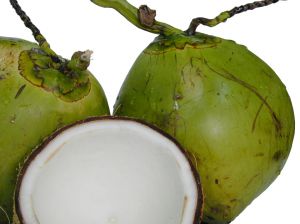
We’ve received quite a few questions recently about whether or not coconut oil can be used to treat
 Alzheimer’s disease. This is a topic that comes up often, so I thought it would be helpful to provide some background:
The claim
This theory has to do with substances called
 ketones. The damage caused by
 Alzheimer’s disrupts the brain’s ability to
 use its primary energy source, known as
glucose. The brain naturally gets a portion
of its energy from ketone bodies when
 glucose is less available (e.g., during
fasting, strenuous exercise, and in
 newborns). Ketones may provide an
alternative energy source to the brain’s
 cells to moderate the damage caused by
 Alzheimer’s disease. The body produces ketones when it metabolizes coconut oil and
 similar substances (fatty acids).
Beyond the headline
Unfortunately, there just isn’t any creditable science to support this idea. It is
mpossible
 for us to know how well coconut oil does or does not work in Alzheimer’s disease
 because there have not been rigorous, large-scale research studies done. Continue
 reading “Can coconut oil treat Alzheimer’s?” »
- See more at: http://www.alzheimersblog.org/tag/coconut-oil/?gclid=CPy0kMaD4bUCFQ6xnQodfEIAPQ#sthash.NmlO5NDE.dpuf10 

Benefits of Coconut Milk

Coconut milk is extracted by grating mature coconuts and squeezing them by using cheesecloth or both bare hands. This milky white liquid is called santam in Malaysia, Brunei and Indonesia, and gata in Philippines. It is used in several food recipes like sauces, delicious curries and desserts. Apart from making foods tastier and creamier, coconut milk is also a healthy addition to various food preparations.


Nutritional Values of Coconut Milk:
Following are the nutritional values present in 100 grams of fresh coconut milk:

Calories – 230
Proteins – 2.3g
Fat – 23.8g
Carbohydrates – 5.5g
Dietary fiber – 2.3g
Sugar – 3.35g
Vitamin C – 2.8 mg
Vitamin E – 0.15 mg
Vitamin B1 – 0.026 mg
Vitamin B6 – 0.033 mg
Vitamin B5 (Pantothenic acid) – 0.183 mg
Folate – 16 mcg
Vitamin B3 (Niacin) – 0.76 mg
Iron – 1.64 mg
Selenium – 6.2 mcg
Sodium – 15 mg
Calcium – 16 mg
Magnesium – 37 mg
Phosphorus – 100 mg
Potassium – 260 mg
Benefits of Coconut Milk:
Following are some of the health benefits of coconut milk:

Helps to maintain blood sugar places:
Glucose intolerance may cause manganese deficiency in your body. Coconut milk is a rich source of manganese. Whole grains, legumes and nuts are some other excellent sources of manganese.
Keeps skin and blood vessels flexible and elastic:
Copper is a very important mineral for most of the bodily functions. Copper and vitamin C help to maintain the flexibility and elasticity of the skin and blood vessels.
Aids in building strong bones:
Coconut milk is not rich in calcium, but it is rich in phosphorus. Phosphorus is an essential nutrient that the body needs for strengthening bones. It is must to take phosphorus with calcium particularly to prevent bone loss because it supplies phosphate to the body.
Helps to prevent anemia:
Lack of iron is the most common nutrient deficiency among the people throughout the world. Iron deficiency in body does not allow the body to develop enough hemoglobin for keeping sufficient oxygen levels in red blood cells, resulting in anemia. Each cup of coconut milk supplies the body with nearly a quarter of daily value of iron.
Relaxes muscles and nerves:
Whenever you feel muscle cramps or muscle soreness, have some food along with coconut milk. It is rich in magnesium and can help you in relieving the problem. One of the functions of magnesium is it acts as a gate block in many nerve cells. If magnesium is not present in body, nerve cells become very active because of calcium that activates nerves. Excess contraction of muscles is caused by over-active nerve cells.
Helps in Controlling Weight:
This can be good news for people who are trying to reduce weight. Coconut milk makes you feel full very quickly because of high concentrations of dietary fiber.
Decreases the risk of joint inflammation:
Selenium is an important antioxidant. It controls the free radicals and thereby helps in relieving the symptoms of arthritis. It is observed that people with low levels of selenium may suffer from rheumatoid arthritis.
Helps in lowering high blood pressure:
People who are concerned about their blood pressure will not face any problem consuming foods containing potassium. Potassium helps in lowering blood pressure levels in the body.
Helps in maintaining healthy immune system:
Coconut milk helps in warding off colds and coughs by keeping the immune system healthy. It supplies vitamin C to the body which boosts the immune system.
Promotes the health of prostate gland:
Zinc plays a vital role in promoting the health of prostate gland. A preliminary study showed that it slows down the activities of cancer cells.
I hope the above mentioned information helps you in understanding the relation between health and coconut milk. It can also be consumed by people with cow’s milk allergy. It is free from gluten and soy. Hence people who are allergic to these substances can also use coconut milk.

No related posts.

3 reasons why coconut milk may not be your friend

By  on June 9, 2011 in Food & Nutrition | 376 comments
picture of coconut milkCoconut milk is often a staple fat source for those following a Paleo diet. From a nutritional perspective, it’s an excellent choice. It’s high in saturated fatty acids and medium-chain triglycerides (MCT), which areboth easily burned as fuel by the body. MCTs are particularly beneficial in that they don’t require bile acids for digestion, and they’re directly shunted to the liver via the portal vein.
Coconut milk and fruit can be a great snack for Paleo folks, and coconut milk smoothies make a great Paleo breakfast choice – especially in the summer.
So what could be wrong with coconut milk? Here are three things to consider.

Bisphenol-A

Bisphenol-A (BPA) is a chemical that has been used in consumer goods since the 50s. It’s found in reusable drink containers, DVDs, cell phones, eyeglass lenses, automobile parts and sports equipment. One of the highest sources of BPA is cash register receipts.
We’ve known for decades that BPA has estrogenic activity. In vivo animal studies and in vitro cell-culture research has linked low-level estrogenic activity associated with BPA exposure to all kinds of fun stuff, like diabetes, ADHD, heart disease, infertility and cancer.
Is BPA exposure common? You bet. This CDC report found BPA in the urine of 93% of adults. Perhaps most troubling is that companies like Nestle, Similac, Enfamil and PBM all use BPA in the linings of metal cans holding baby formula. This is scary in light of a recent study which found an association between neurobehavioral problems in infants and high levels of BPA in their mothers.
So why is BPA even legal, you ask? Its safety status is still somewhat controversial. Although I’m not sure how “real” the controversy is.
On the one side you have consumer advocates and independent researchers and scientists who claim that there’s sufficient evidence against BPA, including plausible mechanisms for how it causes harm, to ban it completely. They argue that continued use of BPA in industrial and commercial materials is akin to performing a large, uncontrolled experiment on us all. I tend to agree.
On the other side, you’ve got industry scientists claiming that there’s no significant evidence that low levels of BPA causes harm in humans. If I was a cynic, I might point out that these chemical industry groups are out to protect a multi-billion dollar market from government regulation. Global BPA demand is up to 12 billion pounds and growing at 5% per year.
Okay, back to coconut milk. BPA is used in the lining of certain canned foods. BPA especially leaches into canned foods that are acidic, salty or fatty, such as coconut milk, tomatoes, soup, and vegetables.
So what’s the solution here? In short, if you want to be on the safe side and reduce your exposure to BPA, you have to reduce your consumption of canned foods (including coconut milk) as much as possible. I made this recommendation in 9 Steps for Perfect Health-#3: Eat Real Food.
study published in Environmental Health Perspectives found that families who ate fresh food for three days with no canned food, and using only glass storage containers, experienced a 60% reduction of BPA in their urine. The reductions were even higher (75%) for those with the highest BPA levels at the beginning of the study.
The good news, however, is that there are at least two brands of coconut milk that don’t have BPA in them. One is Native Forest, which you can purchase on Amazon if it’s not available at your local store. The other is Arroy-D, which is a brand imported from Thailand. You can get it here (but you have to scroll down and order the version that comes in cartons, not the cans at the top). I’m a little suspicious of Arroy-D, though, because one Thai reader mentioned that it does contain other ingredients aside from coconut milk. I don’t read Thai, so I can’t confirm this. If anyone out there can, please leave a comment below.
Coconut milk can also be made quite easily at home, with coconut flakes, a blender and cheesecloth. Here’s a video to show you how (get a load of the soundtrack). I find that blanching the coconut flakes prior to blending improves the results.

Guar gum

The other potential problem with canned coconut milk is guar gum. Guar gum is a galactomannan, which is a polysaccharide consisting of a mannose backbone with a galactose side group. It’s primarily the endosperm of guar beans.
Beans and legumes have a variety of compounds in them that make them difficult to digest, especially for people with digestive problems (1 in 3 Americans, from the latest statistics).
In my clinical experience, many patients with gut issues improve when they remove guar gum from their diet – including canned coconut milk.
Unlike BPA, there’s no evidence that guar gum may cause serious harm. So, if you’re able to tolerate guar gum, I don’t see a problem with buying coconut milk from Native Forest or Arroy-D or making it at home.

Fructose malabsorption

Fructose malabsorption (FM) is a digestive disorder characterized by impaired transport of fructose across the small intestine. This results in increased levels of undigested fructose in the gut, which in turn causes overgrowth of bacteria in the small intestine. Undigested fructose also reduces the absorption of water into the intestine.
The clinical effects of FM include: intestinal dysbiosis, changes in motility, promotion of mucosal biofilm, and decreased levels of tryptophan, folates and zinc in the blood. Symptoms produced include bloating, gas, pain, constipation or diarrhea, vomiting and fatigue (to name a few). Recent research has also tied fructose malabsorption to depression.
Lest you think this isn’t a common problem, studies have shown that up to 40% of people in Western countries suffer from fructose malabsorption.
Even in healthy people without fructose malabsorption, however, only about 20-25g of fructose can be properly absorbed at one sitting. Glucose assists in transport of fructose across the intestine, so in general foods with equal amounts of glucose and fructose will be better absorbed than foods with excess amounts of fructose (in relation to glucose).
While fructose malabsorption can cause symptoms in anyone, those with Irritable Bowel Syndrome (IBS) or Inflammatory Bowel Disease (IBD) are particularly affected. While the prevalence of FM is the same in healthy populations and those with IBS & IBD, the experience of FM appears to be more intense in the latter group. This is probably due to the increased visceral sensitivity common in IBS and IBD patients.
In fact, one of the most promising clinical approaches to treating IBS & IBD right now is something called the FODMAP diet. FODMAP stands for Fermentable Oligo-, Di- and Mono-saccharides And Polyols. These include:
  • fructose (fruits, honey, HFCS)
  • fructans (wheat, onions)
  • lactose (milk sugar)
  • polyols (sugar alcohols like sorbitol, xylitol & mannitol, along with fruits like apples, pears and plums)
  • galactooligosaccharides (legumes & beans, brussel sprouts, onions)
  • other sweeteners like polydextrose and isomalt
What does this have to do with coconut milk, you ask? According to Drs. Gibson & Barrett, experts in fructose malabsorption, coconut milk is is a FODMAP and should be avoided by people with digestive conditions like IBS & IBD.
According to NutritionData.com, coconut milk has very little sugar of any kind – including fructose. Nevertheless, I do have patients that cannot even tolerate homemade coconut milk (which has no guar gum in it), even though they are fine with coconut oil. I assume that they are reacting to the fructose in the coconut milk – but I can’t be sure.

Recommendations

Let’s bring this together into recommendations for three different groups of people:
  • Women who are trying to get pregnant, pregnant or breastfeeding, children and other vulnerable populations (chronically ill): should avoid canned coconut milk products except for those that are BPA-free, like Native Forest and Arroy-D. Note: Native Forest is organic, but Arroy-D is not.
  • People with digestive problems (IBS, IBD, GERD, etc.): may want to avoid coconut products entirely, except for coconut oil
  • Healthy people: may be fine with canned coconut milk, provided they don’t react to the guar gum, and provided they’re willing to take the side of industry scientists that claim BPA doesn’t cause harm in humans

Want organic coconut milk – but without the BPA and guar gum?

As of the time of this writing there is no widely available commercial brand of coconut milk that is organic and free of BPA and guar gum. The good news, however, is that with a little extra effort you can easily make this at home yourself.
  • Purchase coconut cream (Let’s Do Organic and Artisana are good choices) and blend with water to make coconut milk.
  • Purchase shredded coconut (again, Let’s Do Organic is a good choice), and follow the instructions below for making homemade coconut milk.

Homemade coconut milk instructions

Ingredients

Instructions

  • Heat water until hot (but not boiling).
  • Add shredded coconut and water to blender (preferably a Vitamix!) If all of the water won’t fit, you can add it in two batches.
  • Blend on high for several minutes until thick and creamy.
  • Pour through a colander to filter out the coconut pulp, then squeeze through a cheese cloth
    or nut milk bag to filter the smaller pieces of coconut.
  • If you separated the water into two batches, put the strained coconut back into the blender with the second batch of water.
  • Drink immediately or store in the fridge. Fresh coconut milk should be used within 3-4 days of making it for the best flavor and texture.


Wednesday, February 27, 2013

let the blood flow in many ways this is 1.


What Food Grade Diatomaceous Earth Does In Your Body 


Diatomaceous EarthThis page explains the mechanisms of Food Grade Diatomaceous Earth within the human body to achieve the many health benefits that consumers have experienced. (See our our Human Use page).

Diatomaceous Earth Health Benefits: Why and How

1)
  As you can see from the picture of Diatomaceous Earth - (magnified 7000 times) - it looks like a cylinder full of holes - kind of like Rice Chex Cereal. This cylinder has a very strong negative charge. As these millions of cylinders move through the stomach and digestive tract, they attract and absorb fungi, protozoa, viruses, endotoxins, pesticides, and drug residues, E.coli, and heavy metals. These are trapped inside the cylinder and passed out of the body. In addition, any larger parasites that happen to be in the stomach or digestive tract are "cut up" and killed by the sharp edges of the Diatomaceous Earth. All of these activities result in a much healthier body with less sickness. We often hear the phrase "I just feel better" with our Diatomaceous Earth users. This better feeling comes from all the "junk" being removed from the body and by giving the immune system the "jump start" it needs.
 2)  Diatomaceous Earth is quite hard. On the hardness scale where diamonds are a 9, Diatomaceous Earth is a 7. This is very important because as those millions of tiny hard and sharp Diatomaceous Earth cylinders pass through the small and large intestines, they "scrub" the walls. After only a few months of taking Diatomaceous Earth, the intestine wall is no longer coated with mucus and molds but CLEAN!! The advantages of this are several:
  1. Regular bowel movements (This is the #1 comment everyone makes about DE.)
  2. Healthier colon. This is especially important as we get older. A clean healthy colon keeps away polyps, cancers, and ulcers. Today, many are spending thousands of dollars to get colonics to do the same thing as Diatomaceous Earth does.
  3. Many users report increased energy and needing less sleep. This is a result of all the food and nutrients that are taken in being better absorbed into the blood stream. With a coated colon--many nutrients never get absorbed.
 3)   A small amount of Diatomaceous Earth gets absorbed into the blood stream as silica.  One of the benefits of Silica is that it helps to destroy bad fats. Everyone we know who takes Diatomaceous Earth has lowered their cholesterol by 40-50 points, and they are amazed at how their high blood pressure goes down. Go to the page on "Human Use" and review all of the benefits of silica to the body.
  1. Sore joints and ligaments feel better
  2. Skin clears up (acne-age spots-psoriasis)
  3. Hair and nails are stronger and grow faster
  4. Stronger teeth and gums
  5. Healthier respiratory tract--less coughing
  6. Menopause has less symptoms
  7. Healthier urinary tract

Human Use Testimonials

DIATOMACEOUS EARTH PRICING - INFO

The benefits of silica are many. In today's grains, there is actually a shortage of silica. Years ago, the silica found in our foodstuffs was adequate, but with today's hybrids and depleted soils, only about 1/3 of the silica needed is supplied in our food. Diatomaceous Earth is a simple and inexpensive way to get the silica your body needs.
Any food grade diatomaceous earth uses other than those approved by the EPA, FDA, or USDA are strictly reports of what hundreds of users as well as we ourselves have done with diatomaceous earth.

circulation part 1


Poor Circulation Pictures


Are you
feeling weary? Are you having trouble focusing? Are your hands or feet chilly, even when the weather is warm? The reason could be a problem in your circulatory system.

Like breathing and other automatic bodily functions, circulation is something we seldom think about. When it is properly functioning, the circulatory system is like a smooth flowing highway. Traffic moves efficiently, delivering drivers to destinations in a timely manner.

A similar process occurs in the body. Blood moves through the heart, lungs, arteries and veins, providing the cells with life-sustaining oxygen and nutrients while removing carbon dioxide and other waste products. But if blood flow is obstructed, every cell in the body is affected. Symptoms of poor circulation run the gamut, from brain fog, numbness and burning or tingling sensations in toes or fingers to pain in the legs when walking, shortness of breath, fatigue and chilliness, especially in the extremities. Circulatory problems also contribute to serious health disorders, like high blood pressure, stroke and heart attack.

Healthy circulation can be obstructed by inflammation or accumulations of plaque and by fatty deposits or clots in blood vessels. A sedentary lifestyle, excess weight, smoking and a poor diet can harm circulation, too. So do a long list of health issues, including peripheral arterial disease (PAD) and chronic venous insufficiency (CVI).

First Stop: The Doctor`s Office

A thorough physical examination is the best way to diagnose circulatory disorders. Many times, simple lifestyle changes, taking up regular moderate exercise for example, work wonders for circulation. Exercise can also strengthen the heart, help lower blood pressure and relieve stress, all of which provide circulation with an additional boost.

If your physician has given the go-ahead to get moving, but you are having trouble starting or sticking with -- an exercise program, here are a few suggestions that could help:

* Exercise first thing in the morning so you can enjoy the feeling of accomplishment;
* Break up the 30 to 45 minutes daily dose into ten- to fifteen-minute long sessions throughout the day;
* Vary your routine to prevent boredom and injuries;
* Join a social group focused on a specific activity, like ballroom dancing, bicycle riding or hiking;
* Remember that doing something even for ten minutes is better than doing nothing.

How Food Affects Circulation

Making dietary changes is a good way to improve circulation. Start by eliminating caffeine, alcohol and soft drinks and avoiding foods that can slow circulation, like those high in sugar, starch and fat. Focus on getting more fiber to reduce unhealthy cholesterol levels. Replace artery-clogging trans fats and saturated fats with `good fats` or omega-3s found in fish and fish oil supplements, olive and grapeseed oils, and the monounsaturated fats found in walnuts and other nuts.

Drink plenty of water. Even slight dehydration can impair circulation by making blood thicker and harder to move through the body. For a bit of flavor, add a wedge of lemon, lime or orange, a slice of cucumber or a splash of juice.

Supplements can provide circulation-friendly nutrients that are difficult to get from food alone. The group known as vitamin B complex, for example, supports healthy circulation. Foods rich in B vitamins include beans, molasses, meat, potatoes, lentils, nutritional yeast and chili peppers. Circulation-stimulating products that combine various helpful nutrients are another option. Your physician can help you choose the ones that are right for you and your body`s particular needs.

REFERENCES:

McCall DO, McGartland CP, McKinley MC, et al. Dietary intake of fruits and vegetables improves microvascular function in hypertensive subjects in a dose-dependent manner.Circulation. 2009 Apr 28;119(16):2153-60.

Ros E, Nunez I, Perez-Heras A, et al. walnut diet improves endothelial function in hypercholesterolemic subjects: a randomized crossover trial. Circulation 2004 Apr 6;109(13): 1609-14.
VAsil AP, Streltsova NN, Sekisova MA. Effect of omega-3 fatty acids on the serum lipid profile and microcirculation in patients with metabolic syndrome and hypertensive disease. Klin Med (Mosk). 2009;87(4):37-41.

Siri PW, Verhoef P, Kok FJ. Vitamins B6, B12 and folate: association with plasma total homocysteine and risk of coronary atherosclerosis. Journal of the American College of Nutrition. 1998 Oct;17(5):435-41.

Digby JE, Lee JM, Choudhury RP. Nicotoctic acid and the prevention of coronary artery disease. Current Opinions in Lipidology. 2009 Aug;20(4):321-6.


Learn more: http://www.naturalnews.com/028444_circulation_healing.html#ixzz2M9ionanX


Anxiety disorder more info I dug up.

Some info. I thought might be interesting. About medications. But I need to add if you need the medications until you can get it together. Get yours stable then do it. nothing wrong there although for some it adds more problems.
But the problem get worse if you don't begin to get to the bottom of thing, just as soon as you get your second wind. But thats just my belief you have to decide on your own what you believe. 
Anxiety disorders are characterized by an overwhelming sense of apprehension. Sometimes such apprehension may become constant. Numerous physical symptoms may accompany anxiety with over 100 physical anxiety symptoms reported, including muscle tightness, heart palpitations, chest tightness/pain, dizziness, numbness, tingling, and electric shock feelings. Anxiety disorders often tend to progress to what is called a panic disorder and panic attacks. The Mayo Clinic definition of a panic attack is: "A panic attack is a sudden episode of intense fear that develops for no apparent reason and that triggers severe physical reactions. Panic attacks can be very frightening. When panic attacks occur, you might think you`re losing control, having a heart attack or even dying." That is why it is common for a person experiencing a panic attack to feel that death is imminent. Fortunately, there are some good natural solutions to combat anxiety and panic symptoms.

Anxiety and panic disorders are very common, having reached epidemic proportions. They affect an estimated 2.4 million Americans. That means that one in 113 Americans lives with this condition.

The causes for this disorder are varied. Sometimes it simply has a physical source. However, many times the disorder is due to emotional issues. Contributing to this disorder are environmental factors, one of the most important of which is poor nutrition. Sugar, processed foods, junk foods, fast foods, etc., all contribute to its devastating effects.

Medications given by conventional medicine, such as SSRI`s and benzodiazepines, only mask the symptoms. While at times appearing to bring relief, they come with their own price, addiction and side effects, some of which are dangerous. Additionally, benzodiazepines tend to lose their effect after a short period of time, necessitating an increase in dosage in order to attempt to relieve those dreaded bodily manifestations.

Thing to help until you clean house/body detox and repair. Because you need to keep it together while you fix the problem.

Natural alternatives are a safer and more effective way of dealing with anxiety and panic. There are supplements that will not only help to relieve those feelings of anxiety and panic but aid in total healing.

Colloidal Gold improves neural communication in the brain. It is believed to be responsible for reducing stress, anxiety, and depression.I can make this for you if you don't want to buy it else were. I dont make it until it's is needed or asked for I've made and used it my self from time to time.

Oleander Extract has demonstrated effectiveness against many conditions, including anxiety.

5-HTP turns into serotonin. Serotonin is important in regulating anxiety.

I-Theanine is a natural relaxant which supports the activity of certain neurotransmitters in the brain.

GABA - Low levels of gamma-aminobutyric acid may be responsible for a person not being able to handle day-to-day stress. GABA decreases anxiety, induces relaxation and increases alertness.

KAVA elevates mood, wellbeing and contentment.

Omega 3`s - Among their many benefits, Omega 3`s relieve depression and maintain emotional balance.

Hawthorne Berry Syrup, besides supporting the cardiovascular system, has been reported to be beneficial for heart symptoms suffered during anxiety and panic attacks.

Iodine Supplementation. Oftentimes, anxiety is the result of an iodine deficiency. It is recommended that anyone suffering from anxiety and panic symptoms have their thyroid checked.

Bach Flower Remedies aid in relieving a variety of emotional disorders.

Diet cannot be overlooked. Proper nourishment will result in less anxiety. The ideal diet consists of as many raw fruits and vegetables as possible with a little chicken, turkey, and fresh water fish. Foods containing L-Tryptophan, such as turkey, help the body to relax.

Relaxation exercises and meditation play an important part in healing, as does talking with a qualified therapist.

An anxiety disorder is a very complex condition, involving the emotional and the physical. Healing from this condition encompasses Body, Mind, and Spirit. The best option in achieving total healing is addressing it by using nature`s pharmacy.

Sources: http://www.mayoclinic.com/health/panic-attacks/DS00338

http://www.panichub.com/panic-disorder.html

http://psyweb.com/Mdisord/jsp/anxd.jsp#at

http://www.hypoglycemia.asn.au/psychotherapy/anxiety_phobias.html


Learn more: http://www.naturalnews.com/028452_anxiety_panic_attacks.html#ixzz2M8dHm03q

Now that you are trying to cop with all the natural way let go all the way. I say start a juice fast and detox all the built up chemicals in your system and a parasite cleanse. And maybe we can get you back to the way god made you.  And off all the natural herbal things too or at least less often.

Anxiety disorder

I was asked today about Anxiety disorder. Here is some of the info. But just the small less detailed part of  it. This is the physical part of it. The mental damage that is cause because of it sometimes needs help too. Call me if you need help with the food. We can get your body straitened out so your mind can heal. I am not a Doc. but I can help you find your path way back.You were designed perfect you and mans crazy ways messed it up.It with take the will to want to, faith that you can do anything and hard work. But you will be reborn in a sense and feel better than ever, at least you'll feel like it's better than ever. You see this happened so slow you didn't even know til you couldn't stand it.
How do we calm anxiety-  Grind almond + Milk + Saffron + Ginger + Nutmeg  help in calming down.
Orange juice + Honey + Nutmeg powder are useful to relieve anxiety as well as lessen heart beat rate.
Bath with Ginger + Baking soda helps to soothe anxiety.

    Diet and Anxiety


    Diet plays an important role to ease from anxiety, panic disorders, phobia and other forms of anxiety disorders. Balanced diet and food rich in vitamin B-Complex are the best defense against anxiety attack. There are lots of foods or food products that exaggerate anxiety.  Prevention is also necessary to control anxiety. As a preventive measures, foods like fried, over cooked and spiced foods should be avoided.

    • Balanced diet that contains vegetables, fruits, vitamin, minerals and whole grains is the best defense against anxiety attacks.
    • The foods that lack vitamin B complex increased the feelings of anxiety.
    • Eating process should be at regular interval of time instead of thrice a day.
    • Caffeine is responsible for mood swing and anxiety.
    • Alcohol exaggerates anxiety.
    •  Fresh juices and water relieves anxiety.
    • Diet enriched in saturated fat seems to ease anxiety.
    • Cut your spices as these foods stimulate your body and mind.
    • Avoid acid forming foods.
    • Vitamin B1 foods (Asparagus, Soy milk, Barley, Oats, Wheat, Sunflower Seeds, etc.) are good during anxiety.
    • Avocados, Yogurt, Milk, Mushrooms etc. are friendlier foods for anxiety as these strengthen our immune system.  .
    • Vitamin B6 (Sweet potatoes, Avocados, Bananas, Mangoes, Sunflower Seeds, potatoes, etc.) helps to produce Serotonin that able t cope anxiety.
    • Vitamin B12, Folic acid, Niacin, Patothenic acid, Alpha Linolenic acid, Biotin, Calcium etc. are also friendlier food for anxiety and panic.
    • Increase the intake of starches as it has calming effect.
    • Food sensitivities may show adverse impact upon anxiety.
    • Foods like Milk, Bananas, Soy, contain tryptophan that show relaxing effect.
    •  Keep yourself away from chocolate, strong spices, sugar eggplant and peppers.
    • Avoid fried or over cooked foods.
    • Avoid spiced foods
    • Avoid coffee, tea, cold drinks.
    • Keep yourself away from smoking.
    • Avoid pan masala, gutk, tobacco, etc.
    • Avoid unhealthy substance like Alcohol, drug and beverages.
    • A juice fast that focuses on toxin cleanse in the last stages of the fast is always a very good way to cure this or at least a longer term. I would like you to think of your body like this, God designed your body to absorb food, eliminate waste and heal/ repair it's self. But with God made and given food not man manufactured crap. Your body was not designed for all we deal with now. It is in a sense a very full trash can that is never getting dumped. Now what happens to a over run trash can? Bug/parasites and molding smelling and things falling out because the trash can cant hold any more but we keep shoving it in til the can falls apart. Every ones trash is different. I can help you find your path way out. But  you can also do it on your own.

Monday, February 25, 2013

Cancer- whats new

(NaturalNews) Researchers at the Georgia Regents University Cancer Center have identified an India-based plant which has been used for centuries to treat inflammation, fever and malaria that could be used to help kill cancer cells.

Dr. Ahmed Chadli, a researcher in the Molecular Chaperone Program at the GRU Cancer Center and senior author of the study named the Journal of Biological Chemistry's "Paper of the Week," said cancer cells typically survive by hijacking so-called molecular chaperones that in turn guide and protect the proteins that ensure normal cellular function, then tricking them into assisting mutated versions of those proteins to stay alive, according to a press release published by the university.

Therefore, development of drugs has focused largely on the chaperone Hsp90 (heat shock protein 90) "because it plays a key role in assisting mutating proteins, making it an attractive cancer drug target," the release said.

'In the future, this research could have applications in other cancers'

But the clinical efficacy of Hsp90 inhibitors has been less than stellar; most current small molecules that target Hsp90 have inadvertently resulted in the expression of proteins that protect cancerous cells from cell death, thereby compromising the Hsp90 inhibitors in the clinical setting.

In the current study; however, Chaitanya Patwardhad, a graduate student in Dr. Chadli's laboratory, discovered that gedunin, an Indian plant compound, attacks a helper protein, or co-chaperone, of Hsp90 known as p23.

"This compound binds directly to p23, leading to inactivation of the Hsp90 machine - without production of anti-apoptotic proteins - thus killing
cancer cells," said Chadli. "The idea here is that this will open a door for new ways of targeting Hsp90 by targeting its helper proteins, which may be used in combination with established Hsp90 inhibitors that are ongoing clinical trials."

"In the future, this
research could have applications in drug development for hormone-dependent cancers, including breast, prostate and endometrial cancers," he said.

"One of the major areas of scientific emphasis of the GRU Cancer Center is to develop therapeutic approaches to
cancer targeting specific molecules within the cancer cell, including chaperones," added Dr. Samir N. Khleif, director of the GRU Cancer Center. "This finding is an important piece of the puzzle, bringing us closer to our goal of helping patients with cancer."

Gedunin, according to Santa Cruz Biotechnology, Inc., "is a naturally occurring
Hsp90 inhibitor. In vitro, Gedunin induces Hsp90-dependent client protein degradation and displays antiproliferative activity."

It is obtained from the Indian neem tree and has been used for centuries in Asia as a natural remedy for malaria. It has also been used as an insecticidal and, most recently, as an anti-cancer agent.

Gedunin may be useful in treatment of neurological disorders too

In 2009, researchers found a nearly 80 percent decrease in the cell proliferation in ovarian cancer cells after in-vitro treatment with gedunin. (
http://saypeople.com)

A separate study by Emory University found that gedunin and its derivatives looked promising in the treatment of Parkinson's disease, Alzheimer's disease, HIV-related dementia, multiple sclerosis, amyotrophic lateral sclerosis, stroke, and Huntington's disease.

As for Chadli, he says that this research could have applications in drug development for hormone-dependent cancers, including breast, prostate, and endometrial cancers.

Sources:
http://www.eurekalert.org/pub_releases/2013-02/ghsu-ipc021413.php

http://www.scbt.com/datasheet-203967-gedunin.html

http://saypeople.com

Learn more:
http://www.naturalnews.com/039224_cancer_cells_plant_medicine_Hsp90.html#ixzz2LvxhSOPp

Monday, February 11, 2013

Acts of kindness

So I don't usually put my personal business that is not related to this Blog. But some one is getting an I love you and a awesome human being award. First I'm a single mom with two kids. One is 21 and still needs mommy so what the other 16 and thinks he doesn't,  some what . Most of my family is dead and the rest are not here not any where near. I don't  do welfare but it's none of my business to those that do. I've worked hard. It's not been easy but what I have or use I own Its paid for. I don't get it if I don;t have the money.I don't borrow of ask for favors. No judgement on others that do it's just me. Although many ask me I helped a many in my time. And I live 45 minutes away from work. 

So now I set the stage. Here is what happen My truck and car blow it's engine.All in the same few weeks.While that was happening I was spending money on parts and we put waters pumps in and many other thing on it. Making me miss work because we all know they always!!,.  mess up on the way to work in remote areas and at 5:00 in the morning. I was late,, a lot got wrote up of course so I was stress and scared I was going to loose my job. No one to turn to no money,no credit. And one little women I work with from Ecuador who speaks English fairly well and we were as close as two people that work together,.  can be,, Offered through out this, her ride. After the last one I said yes. She gave me her nicest one a mini van,,sweet ride, to use. Now I'm not sure how long I can use it let's say I hope til I can get the money together lord is there a laundry list of things,getting my truck and car moved,(ANy one have a tow doll I can use) Then there buying something that works. Now it all seems bad  but I'm happy and sing at work everyone says why and how?? Because don't you see someone loves me and cares. I mean she does. I never realized it before but but but  I've been living a guarded live. Afraid to trust and afraid because my whole life people have wanted things from me. And a host of things besides  And I was raised you work hard and you can do anything your self. If you ask for things your a mooch.There's a whole bunch of crazy I felt and never admitted to my self.Wow this is the greatest feeling. So to Dilia and all the  Dilia like people out there. You make more of a differences in many was. I love you. God has got to bless you.I don't think she read this.  She didn't even know up til a few weeks ago I write a blog. But I felt like shouting to the roof tops. If anyone does know her just give her a kiss:) :) :) :). peace out. 

What about Radish


So a customer comes in and asked us to juice radishes.

 I  didn't ask why but I was very curious . 

So i found some info. from living strong and a few other places, now he could be juicing

 it for any thing. But we will pretend it is for health.

WHAT IS THE NUTRITIONAL VALUE OF radish


Radishes do not usually receive much attention unless they are added to a salad or side dish. The Centers for Disease Control and Prevention report that there are five main types of radishes, but they are all cruciferous vegetables and belong to the mustard family. When you take a look at the nutritional value of a radish, you may want to add them to your diet as more than a garnish. Their health benefits make them an excellent snack or side dish.

VITAMIN C

The Centers for Disease Control report that 1 cup of radishes provides approximately 1/3 of the recommended daily allowance of vitamin C. An antioxidant, vitamin C also helps with brain function, the transport of fat within the body and cholesterol metabolism, according to the Linus Pauling Institute in Oregon. Since the body cannot produce vitamin C, we must be sure to get what we need through our food intake, and radishes can help with that.

INDOLE-3-CARBINOL

Certain members of the cruciferous vegetable family, such as radishes, produce a compound called Indole-3-carbinol (I3C). A study done at the University of Texas shows that I3C protects against cancers, especially those related to hormonal activity, such as cervical and breast cancer. The study also states that I3C exhibits hepatoprotective activity, which means that it protects the liver and helps with the detoxification of the body.

SELENIUM

Selenium is an element needed for many body processes. It helps with thyroid function and hormoneregulation, contains anticancer and antioxidant properties, and can help prevent arthritis, according to several studies reported by the National Institutes of Health Office of Dietary Supplements. Radishes are an excellent source of selenium.

ADDITIONAL BENEFITS

For the dieter, radishes contain high amounts of water and fiber and low levels of sodium and carbs. In addition, 1 cup of radishes has only 20 calories and 4 g of carbohydrates. A 1-cup serving also provides almost as much potassium (270 mg) as you would find in a banana. Riboflavin, calcium, magnesium and folate help to round out the exceptional nutrition packed into a radish. Add some to a salad or eat them as a snack, and think about the health benefits you are providing your body.

Article reviewed by Lana Gates Last updated on: Oct 27, 2009


Read more: http://www.livestrong.com/article/17858-nutritional-value-radishes/#ixzz2KdBmudvp

One more  I found.. I say google it, there is so much.


Radishes May Prove to Be Acne’s Worst Nightmare

Confession: I positively hate acne. While my face only bears the most subtle of scars, in my mind the red pimply warzone that covered it back in high school is still fresh, clear and just begging to be popped.
ClearasilFace washes. Acidic astringents. Creams. Prescription antibiotics. I tried them all in my teenage years, and ultimately the one that worked best was the least acceptable: Time.
So it is with some degree of satisfaction today that I can tell you radishes could soon prove to be the magic bullet that will save today's acne sufferers from the emotional angst that so gripped myself and others in high school halls many years ago.
The key to this potential acne cure is the bacteria Propionibacterium acnes (P. acnes). All of our faces are teeming with this usually benign bacteria, but when a pore becomes clogged, watchout. The clog causes P. acnes to attack skin cells, at which point the body responds in kind with inflammation and white blood cells. Oh, and then a pimple forms.
Previous acne treatments would attempt to kill the bacteria, but that could lead to resistance and ultimately does not address chronic acne . So, researchers and some mice hit the lab and that's where the radishes come in.
[T]he team tried a different approach: targeting a protein called CAMP, which is used by various bacteria to kill host cells. The team found a CAMP gene in the DNA sequence of P. acnes, which coded for a protein that killed cells in sebaceous glands and triggered inflammation.
The team put the gene into young daikon radish plants, which duly made the protein. They then sprayed tiny amounts of the ground-up leaves into the noses of mice, which caused the mice to make antibodies to CAMP.
The team harvested the antibodies and added them to a colony of P. acnes in a dish, where the antibodies bound to the CAMP made by the bacteria and prevented its effects. When these bacteria were put in the skin of a mouse's ear, they elicited much less inflammation than ordinary P. acnes.
The whole operation leaves the bacteria alive and completely able to complete their normal face-saving duties. And, because the treatment is so targeted, any other bacteria on your face that are supposed to be there aren't hindered in the slightest. Everybody wins! Except pimples, which should die painfully in a radish heat fire. [New Scientist]
You can keep up with Jack Loftus, the author of this post, on Twitter and Facebook.